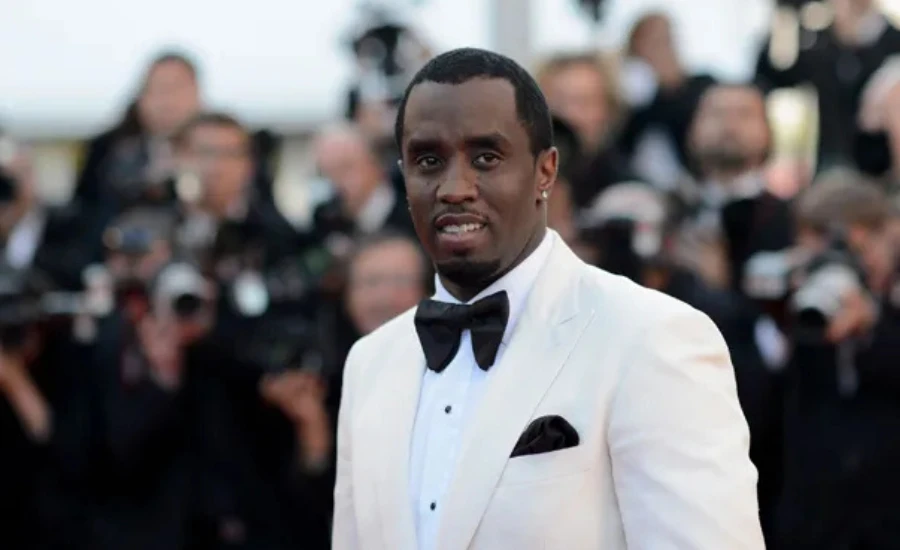
P Diddy Net Worth. At the peak of his fortune, Sean Combs was worth an estimated $1 billion. He’d built it from nothing — from a Harlem apartment, a dead father, a mother who worked three jobs, and a name that nobody outside one city block had ever heard. By 2022, Rolling Stone was calling him a billionaire. Forbes had tracked his ascent for decades. He threw parties that shut down East Hampton, promoted vodka that went from 60,000 cases a year to a household name, and dressed the culture in a clothing line that won a CFDA Menswear Designer of the Year award.
By October 2025, he was in a federal courtroom in Manhattan, listening to a judge sentence him to four years and two months in prison while his children watched from the gallery.
The money and the fall are inseparable now. That’s the story of P Diddy Net Worth.
Quick Biography
| Detail | Info |
|---|---|
| Full Name | Sean John Combs (legally changed middle name to “Love” in 2021) |
| Born | November 4, 1969, Harlem, New York City |
| Stage Names | Puff Daddy, P. Diddy, Diddy, Love |
| Profession | Rapper, record producer, entrepreneur, fashion designer |
| Peak Net Worth | Estimated $1 billion (circa 2022, per Rolling Stone) |
| Current Net Worth | Estimated $400 million (2025, per Forbes and multiple financial analysts) |
| Label Founded | Bad Boy Records, 1993 |
| Awards | Three Grammy Awards; multiple Billboard chart records |
| Status (2025) | Convicted on two prostitution-related federal charges; sentenced October 3, 2025 |
Where He Came From
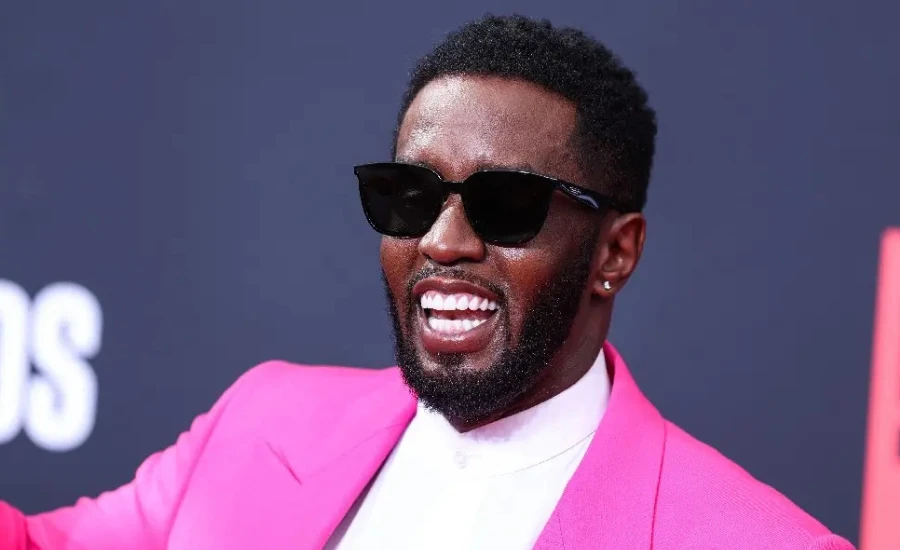
P Diddy Net Worth mother told him his father died in a car accident. He believed that for years.
Melvin Earl Combs was shot dead in January 1972 while sitting in his car on Central Park West. Sean was two years old. His father had been an associate of Frank Lucas — the convicted Harlem drug lord later portrayed in the film American Gangster — and was reportedly killed after fellow dealers suspected him of talking to law enforcement. The case was never fully solved. When Sean was fourteen, he went to the public library and pieced together what had actually happened.
“My mother tried to protect me,” he told Oprah years later. He held no bitterness about the deception. He understood it. But he carried that knowledge quietly — the understanding that the world his father moved through had swallowed him whole.
After Melvin’s death, Janice Combs raised three children alone in Mount Vernon, New York. She modeled, organized fashion shows, and worked as a teacher’s assistant. She also worked two or three jobs simultaneously during lean years. His grandmother, Jessie Smalls, did the same. Sean noticed. He started his own paper route at twelve, negotiating a deal with a teenager who was heading to college. He was too young for the route legally, so he split the earnings. He kept going anyway.
He attended Mount Saint Michael Academy, an all-boys Catholic school in the Bronx. He played football. He served as an altar boy. He performed in theater. By his own account, he also snuck out at night to see Run-D.M.C. and Grandmaster Flash perform at local venues, studying something nobody had officially taught him yet.
In 1987, he enrolled at Howard University in Washington, D.C., majoring in business administration. He ran a shuttle service to the airport. He promoted parties that drew crowds in the hundreds. He sold T-shirts and sodas. He treated the university like an apprenticeship in entrepreneurship, not a path to a diploma. He left after two years, having found something more useful than a degree: an unpaid internship at Uptown Records in New York.
He sometimes couldn’t afford the Amtrak ticket. He snuck on anyway.
The Turning Point
Andre Harrell, the founder of Uptown Records, later described him as the hardest-working intern he’d ever seen. That distinction mattered, because it translated into a promotion. Combs became a talent director at Uptown, helping develop Jodeci and Mary J. Blige. He was building artists before he was old enough to rent a car without a surcharge.
Then, in 1993, Harrell fired him.
The exact reasons were disputed — some accounts cite creative clashes, others point to the shadow of a catastrophic event from 1991, when Combs had promoted an overcrowded charity event at the City College of New York gymnasium. A stampede in the stairwell killed nine people. Combs wasn’t criminally charged, but the disaster followed him.
Fired, in his mid-twenties, with no label and no safety net — most people would have stopped there. Combs signed a joint venture deal with Arista Records and founded Bad Boy Records. He brought one artist with him from Uptown: a Brooklyn rapper named Christopher Wallace, who recorded under the name the Notorious B.I.G.
That decision changed American music.
The Career Rise
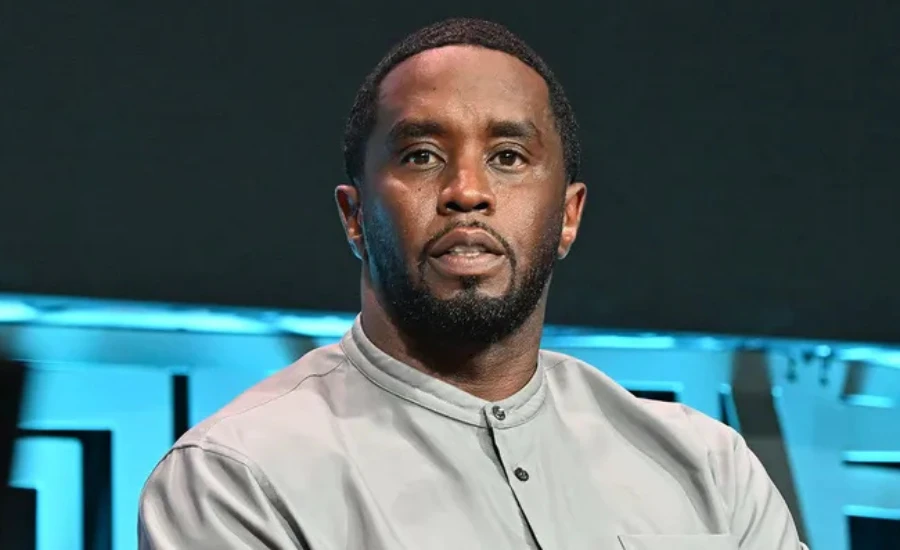
Bad Boy’s first major release was Ready to Die in 1994 — Biggie’s debut, which went quadruple platinum. Faith Evans, Mase, 112, Total, and Craig Mack followed. At its height, the label was generating an estimated $130 million annually. Combs wasn’t just a producer; he was a brand architect who understood that music and image were the same thing.
In 1996, he launched his own recording career under the name Puff Daddy. His debut single, “Can’t Nobody Hold Me Down,” spent 28 weeks on the Billboard Hot 100 and peaked at number one. His debut album, No Way Out, released in July 1997, went seven times platinum. It was originally titled Hell up in Harlem — but then March 9, 1997 happened, and Biggie was shot dead in Los Angeles.
The tribute single “I’ll Be Missing You,” recorded with Faith Evans and the group 112, became the first rap song in history to debut at number one on the Billboard Hot 100. It stayed there for eleven consecutive weeks. Sting later confirmed that Combs had cleared the sample of “Every Breath You Take” after the song’s release, and the royalty arrangement reportedly put Sting’s children through college.
In 1998, Combs launched the Sean John clothing line. By 2004, it had won the CFDA Menswear Designer of the Year award — the fashion industry’s highest honor for menswear design. He sold a majority stake in 2016 for a reported $70 million, then bought the brand back from its bankrupt new owner in 2021 for roughly $7.5 million.
The real money, though, came from a bottle.
In 2007, Combs struck a 50/50 profit-sharing deal with Diageo, the British spirits conglomerate, to market Cîroc vodka in the United States. This wasn’t a standard celebrity endorsement. He took on full management of the brand’s marketing, advertising, public relations, and event strategy. Cîroc sales went from approximately 60,000 cases annually before the deal to hundreds of thousands of cases per year within two years. In 2013, the two parties acquired DeLeón tequila together in a similar joint venture structure. According to legal filings made during a subsequent lawsuit, Diageo paid Combs approximately $1 billion over the sixteen-year course of their partnership.
One billion dollars. From vodka.
In 2012, he launched Revolt TV, a cable and digital network focused on hip-hop culture and youth media. In 2013, Forbes reported that P Diddy net worth had jumped $200 million in a single year, driven in part by the spirits partnerships and a stake in AQUAhydrate water alongside Mark Wahlberg. By 2019, Forbes estimated his worth at $750 million. His team disputed the figure — claiming the number was higher.
Personal Life of P Diddy net worth
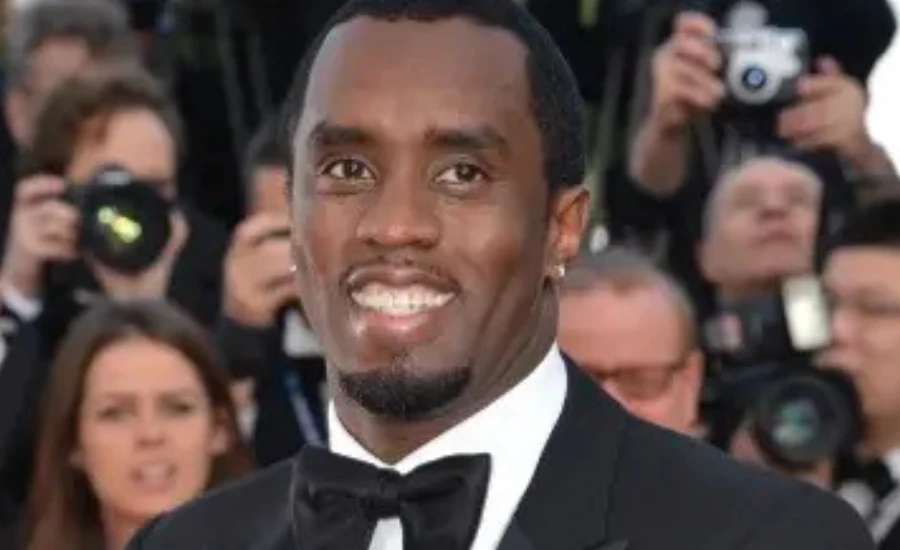
Combs had six children across multiple relationships. His eldest son, Justin, was born from his relationship with designer Misa Hylton-Brim, whom he dated in high school. His son Christian and twin daughters D’Lila and Jessie were born from his long-term relationship with Kim Porter, the model and actress who was the mother of several of his children. Porter also had a son, Quincy, from a previous relationship, whom Combs helped raise. He and Porter were together on and off for over a decade before separating in 2007. In November 2018, Porter died suddenly from lobar pneumonia at age 47. Combs publicly described her death as devastating. A daughter named Chance, from a relationship with Sarah Chapman, was born the same year he and Porter separated.
He also had a long-term relationship with Cassie Ventura, the singer and model he first met when she was 19 and he was 36. That relationship lasted approximately a decade and ended in 2018. Its true nature would later be documented in detail — in a lawsuit, in a federal trial, and in a hotel hallway surveillance video seen around the world.
In 2021, Combs legally added “Love” as his middle name. He said he wanted to represent positivity and connection. One year later, he was named a billionaire by Rolling Stone.
The Controversies: The Empire Cracks
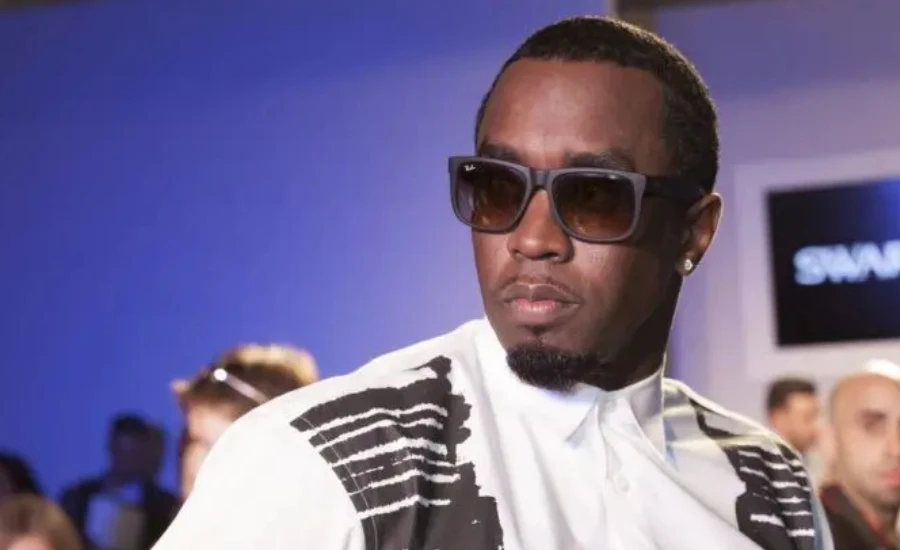
In November 2023, Cassie Ventura filed a civil lawsuit against Sean Combs alleging rape, sex trafficking, and a decade of physical abuse. The lawsuit was settled the following day for an undisclosed amount — Ventura later testified in court that the settlement totaled $20 million. The speed of the settlement drew immediate public attention. Other women came forward within weeks.
In March 2024, agents from the Department of Homeland Security raided Combs’ properties in Los Angeles and Miami in connection with a federal sex trafficking investigation. In September 2024, he was arrested in New York City. The federal indictment charged him with racketeering conspiracy, sex trafficking, and transportation across state lines for the purposes of prostitution — under the Mann Act, a federal statute dating to 1910. He pleaded not guilty.
The trial began in May 2025 and ran for eight weeks. Cassie Ventura testified for four days, describing what she called a decade of sustained abuse, forced participation in drug-fueled sexual encounters with paid escorts at Combs’ direction, and constant fear of retribution. The prosecution showed the jury the 2016 hotel surveillance video in which Combs is seen kicking, punching, and dragging Ventura to the ground.
On July 2, 2025, the jury reached a verdict. Combs was acquitted of racketeering conspiracy and both sex trafficking charges — the most serious counts, which carried potential life sentences. He was found guilty on two counts of transportation to engage in prostitution, one count each involving Cassie Ventura and a second woman who testified under the pseudonym “Jane.”
On October 3, 2025, Judge Arun Subramanian sentenced him to 50 months — four years and two months — plus a $500,000 fine and five years of supervised release. Prosecutors had sought eleven years. Before sentencing was handed down, Combs addressed the court directly for the first time in the entire proceedings. He called his own behavior “disgusting, shameful and sick.” He said he had gotten lost in excess and his own ego. He asked for mercy.
The judge said that “abuse is not something you can wash away.” He noted that Combs’ entrepreneurial legacy was “celebrated and iconic” and that his early loss of his father was recognized by the court — and then sentenced him anyway.
As of publication, Combs is incarcerated at a federal facility in New Jersey. His attorneys have filed an appeal seeking his immediate release or a reduced sentence, arguing the judge imposed a harsher penalty than the jury’s verdict warranted. The appeal has not yet been decided. With time already served and standard federal reductions for good behavior, he could be eligible for release as early as 2028.
Over 70 civil complaints have been filed against Combs as of October 2025.
The partnership with Diageo had already ended in January 2024, with Combs receiving approximately $200 million for his 50% stake in the spirits ventures. Revolt TV was sold to its employees in June 2024. Sean John was pulled from retailers and is now inactive. His eyewear line was discontinued. Howard University rescinded an honorary doctorate and ended a scholarship program in his name. His net worth, once claimed by his own team to exceed a billion dollars, is currently estimated at approximately $400 million — a figure that could decline further depending on the outcomes of civil litigation and ongoing legal expenses.
Current Life
Sean Combs is 55 years old and housed in a federal correctional facility in New Jersey, expected to remain there until at least 2028 barring a successful appeal or other legal intervention.
His business holdings are, for practical purposes, gone. Bad Boy Records continues to exist on paper. Its cultural footprint — the artists it launched, the era it defined — remains. The finances are another matter entirely.
His children have spoken publicly in support of him at his sentencing. Several of them delivered statements in the courtroom. Whether any of his surviving ventures can be rebuilt after release, and under what circumstances, remains genuinely unknown.
Conclusion
Here’s the honest accounting of it, because both things are true.
Sean Combs built one of the most sophisticated, self-made business empires in American entertainment history. He came from Harlem with nothing — no industry contacts, no family money, no father. He became a talent director, got fired, and turned the firing into a record label that shaped 1990s hip-hop as decisively as any force in that era. He then translated cultural influence into a fashion brand, a television network, and a spirits empire worth a billion dollars across sixteen years. He ran the New York Marathon in 2003 and raised $2 million for children’s charities. He funded scholarships at HBCUs. He mentored a generation of Black entrepreneurs and proved that artists could own and control their own commercial fates.
That legacy is real. The judge at his sentencing acknowledged it explicitly.
And the other thing is also real. Women described what happened behind closed doors. A surveillance video confirmed some of it without requiring testimony. A jury deliberated and returned a verdict.
The P Diddy net worth story is ultimately a story about what an empire is actually built on — and what it costs when the foundation turns out to be something different than advertised.
You may be interested in Leo Skepi Net Worth
FAQ
What is P Diddy Net Worth in 2025?
Current estimates place his net worth at approximately $400 million, down from a peak of roughly $1 billion around 2022. The decline reflects the loss of his Diageo partnership, the sale of Revolt TV, the collapse of Sean John, and mounting legal costs. Figures vary by source; no verified official number exists.
How did Diddy make most of his money?
The largest single source of his fortune was his 16-year partnership with Diageo, the British spirits company, during which he served as the driving marketing force behind Cîroc vodka and co-owned DeLeón tequila. Legal filings indicated Diageo paid him approximately $1 billion over the life of that partnership. Other sources included Bad Boy Records, Sean John fashion, Revolt TV, music royalties, and real estate.
Was Diddy really a billionaire?
Rolling Stone declared him a billionaire in 2022 based on his assets and business holdings. Forbes estimated his worth at $750 million in 2019, which his team disputed as too low. As of 2025, the estimates have dropped significantly, with most placing his current worth around $400 million.
What happened to the Ciroc deal?
Combs and Diageo ended their partnership in January 2024 following a disputed lawsuit Combs had filed against the company in May 2023 alleging racial discrimination in brand marketing. As part of the settlement, Combs received approximately $200 million for his stake in the ventures and withdrew all claims. Diageo now solely owns both Cîroc and DeLeón.
What was Diddy convicted of?
In July 2025, a federal jury found Combs guilty on two counts of transportation to engage in prostitution — one count each involving Cassie Ventura and a second woman identified in court as “Jane.” He was acquitted of the more serious charges of sex trafficking and racketeering conspiracy. He was sentenced in October 2025 to four years and two months in federal prison.
How much was the Cassie Ventura settlement?
Cassie Ventura testified during the 2025 federal trial that she received $20 million to settle the civil lawsuit she filed against Combs in November 2023. The lawsuit was filed and settled within 24 hours, though Ventura later went on to testify as a key prosecution witness in the criminal trial.
What happened to Bad Boy Records?
Bad Boy Records continues to exist as a label, though its commercial relevance and business operations have been severely impacted by Combs’ legal situation. At its peak in the 1990s, the label generated an estimated $130 million annually and launched the careers of The Notorious B.I.G., Faith Evans, Mase, 112, and others.
When did Diddy start his career?
He began as an unpaid intern at Uptown Records in 1990, was promoted to talent director, and was fired in 1993. He immediately founded Bad Boy Records through a joint venture with Arista Records. His own recording career launched in 1996 with the single “Can’t Nobody Hold Me Down.”
What is Diddy’s prison sentence?
He was sentenced on October 3, 2025 to 50 months — four years and two months — in federal prison, plus a $500,000 fine and five years of supervised release. He has been in custody since his arrest in September 2024. With time served and federal good-behavior reductions, he could be eligible for release as early as 2028.
Is there a possibility of a pardon?
Reports in mid-2025 indicated that the Trump administration was “seriously considering” a pardon following Combs’ conviction. No pardon has been issued as of the time of this writing. Combs’ attorneys have filed an appeal seeking either overturning of the conviction or a reduced sentence.
What was Diddy’s Sean John clothing line worth?
At its peak in the early 2000s, Sean John generated hundreds of millions in annual sales. Combs sold a majority stake in 2016 for a reported $70 million. He repurchased the brand in 2021 for approximately $7.5 million after the acquiring company went bankrupt. Following his legal troubles, the brand was dropped by retailers and is now inactive.
How did Diddy earn money from music royalties?
As both a performer and a producer, Combs built substantial royalty streams. His 1997 debut album No Way Out went seven times platinum and earned a Grammy. “I’ll Be Missing You” was the first rap song to debut at number one on the Billboard Hot 100. He also produced and held partial ownership interests in recordings by artists on the Bad Boy roster.
What was Revolt TV and what happened to it?
Combs founded Revolt TV in 2012 as a cable and digital network targeting hip-hop culture and youth audiences. He resigned as chairman in November 2023 following the initial wave of lawsuits. He sold his remaining stake in June 2024. Revolt transitioned to an employee-owned structure.
How many children does Diddy have?
He has six children: Justin (with Misa Hylton-Brim), Christian, D’Lila, and Jessie (with Kim Porter), and Chance (with Sarah Chapman). He also helped raise Kim Porter’s son Quincy from a previous relationship. Several of his children attended and spoke at his sentencing hearing in October 2025.
What is P Diddy Net Worth compared to other hip-hop moguls?
At his peak estimated wealth of $1 billion, Combs ranked among the wealthiest figures in hip-hop history alongside Jay-Z. His current estimated net worth of approximately $400 million places him significantly lower than that peak, though precise comparisons are difficult given that net worth figures for private individuals are always estimates.