There’s a certain kind of strength that doesn’t announce itself.
It doesn’t hold press conferences. It doesn’t post on social media. It doesn’t write a tell-all memoir about surviving a Kennedy. It just keeps showing up — to work, to the courtroom, to the unglamorous business of raising two children in the aftermath of a very public unraveling — and lets the years speak for themselves.
That’s Emily Ruth Black. You probably searched her name because of a man. That’s fair. She married into the most mythologized family in American political history. But her story doesn’t belong to that family. It never really did.
Quick Bio
| Detail | Info |
|---|---|
| Full name | Emily Ruth Black |
| Born | October 15, 1957 — Bedford/Bloomington, Indiana |
| Education | Indiana University, B.A. Phi Beta Kappa (1978); University of Virginia School of Law |
| Profession | Criminal defense attorney |
| Employer (during marriage) | Manhattan Legal Aid Society |
| Married | Robert F. Kennedy Jr. (April 3, 1982 – 1994) |
| Children | Robert “Bobby” Kennedy III (b. 1984); Kathleen “Kick” Kennedy (b. 1988) |
| Current status | Private; registered attorney in New York state |
Early Life
She lost her father before she could remember his face.
Emily Ruth Black was born on October 15, 1957, in Indiana — some records indicate Bedford, others Bloomington, and the discrepancy remains unresolved — to a schoolteacher mother and a father who died when she was barely two years old. That left her in a household shaped entirely by a woman who went to work every single day, taught other people’s children, and still found time to raise her own. The lesson took hold early: stability comes from what you build yourself, not from what you inherit.
Indiana wasn’t a place that prepared you for Kennedys. It prepared you for work. While the young RFK Jr. spent his twenties circling New York and London social scenes, Black had spent most of her life in Indiana — known among classmates as focused, serious, and not particularly interested in spectacle. That focus paid off. She graduated Phi Beta Kappa from Indiana University in 1978, an honor reserved for the very top of a graduating class, and from there she set her sights on law school.
She chose the University of Virginia. She didn’t go there to meet anyone. She went there to become a lawyer.
The Turning Point
It happened, as these things often do, in the most ordinary of settings.
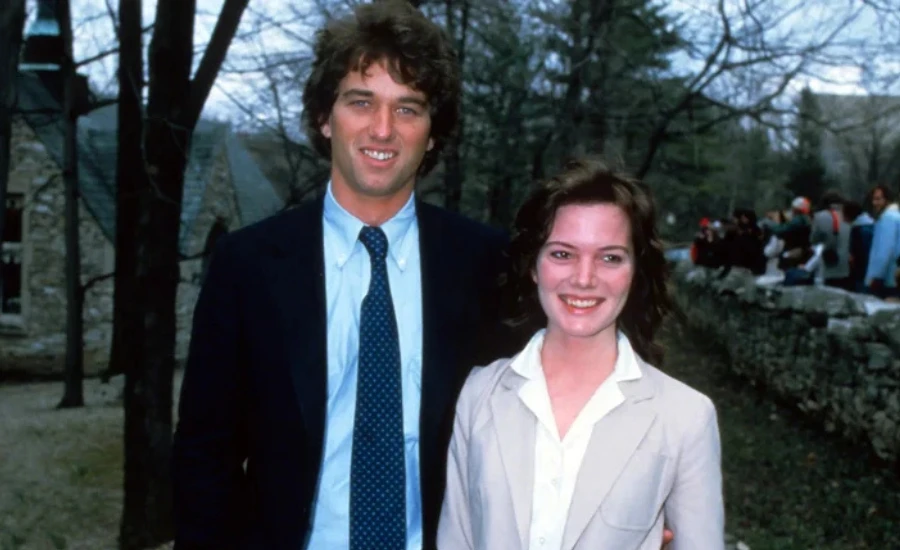
Emily first met Robert F. Kennedy Jr. in the law library at the University of Virginia. He was finishing his third year. She had already completed her law degree. The power dynamic, in purely academic terms, was hers. RFK Jr. once joked publicly about how different their legal ambitions were: “She’s interested in keeping people out of jail, and I’m interested in putting them in.” It was a funny line. It also turned out to be a roadmap for everything that followed.
Friends who knew them both noted that Bobby was hyperactive and Emily was calm — and that they believed it would work out. To outside eyes, the match looked improbable. Journalist Jerry Oppenheimer, who later wrote about the Kennedy family in detail, captured the general reaction: to Emily’s friends, the relationship looked like a Cinderella story; to others, she was more like Little Red Riding Hood meeting the Big Bad Wolf.
She went in with open eyes. Whether she saw the wolf coming is a question only she could answer — and she has never answered it publicly.
Career Rise
Emily Black didn’t pause her career for the Kennedy name. She built one alongside it.
After the wedding, she took on the role of a public interest lawyer while RFK Jr. worked as an assistant district attorney in Manhattan. They even sat down with People magazine to discuss their vision for a modern, equal marriage — sharing the cooking, the cleaning, and the household finances. It was 1982. That was a statement, not just a lifestyle preference.
She joined the Manhattan Legal Aid Society, putting herself on the front lines of the legal system — defending clients who couldn’t afford private attorneys. This wasn’t glamorous work. Legal Aid lawyers carry enormous caseloads, grind through brutal hours, and fight for people the rest of the system has largely given up on. Emily chose that deliberately. That tells you everything about where her values were anchored.
Her career stayed consistent while her personal life cracked. She retained her New York law license through the marriage, the divorce, and the decades that followed — quietly, without high-profile cases, without press releases. She defined her professional life by the people she helped, not the cases that made headlines. That’s rarer than it sounds.
Personal Life
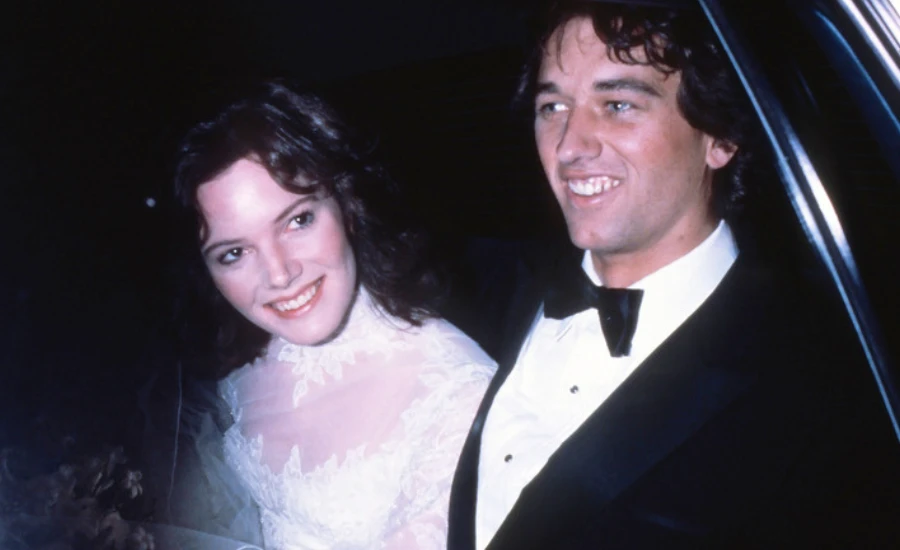
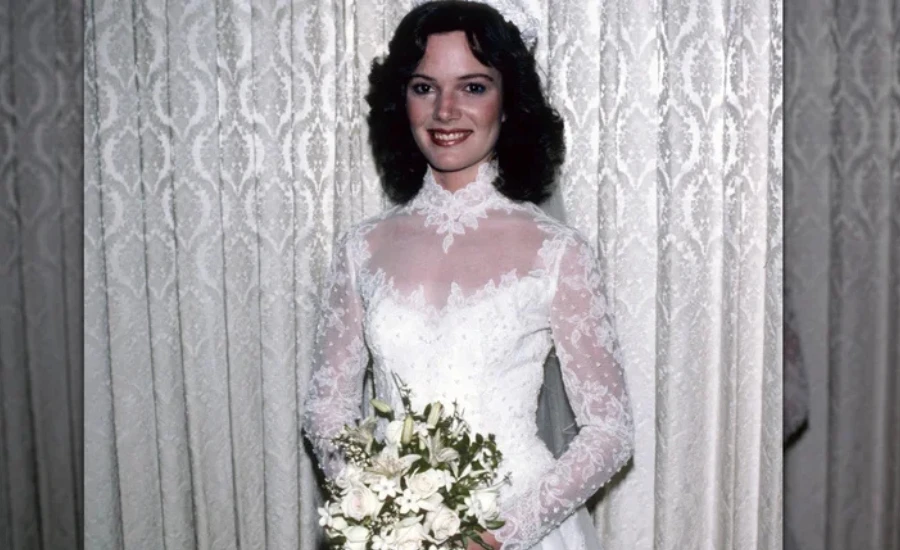
Their wedding on April 3, 1982, drew 400 guests to Bloomington’s First Christian Church. Ted Kennedy was there. Ethel Kennedy was there. The family priest, Father Gerald Creedon, made a point of noting how many people had gathered specifically around Emily — not around the Kennedy side of the aisle. “It is clear that Emily has learned much about caring from her family and from this community,” he said that day.
She changed her name without hesitation. “I never considered not changing my name,” she told People, “just out of tradition.” The Indiana schoolteacher’s daughter was now Emily Kennedy — part of American political royalty. She kept working anyway.
The couple had two children: Robert Francis “Bobby” Kennedy III, born in September 1984, and Kathleen “Kick” Kennedy, born in April 1988. Kick has spoken warmly about her mother in interviews over the years, describing a close and steady bond that outlasted the marriage and the chaos around it. Bobby went on to work in film and media. Both children grew up with their mother’s quiet steadiness as their foundation, even as the Kennedy surname pulled them into the public eye.
Then the marriage started to break.
Controversies
This section is about what RFK Jr. did during the marriage. The distinction matters because Emily wasn’t the one who created the crisis — she was the one who survived it.
Just 17 months after the wedding, in September 1983, airport authorities in South Dakota discovered heroin in RFK Jr.’s luggage. He was charged with felony possession. In February 1984, he pleaded guilty and was sentenced to two years of probation and 1,500 hours of community service. He later admitted he’d been using heroin since the age of 15. Emily stood by him through the arrest, the plea, the sentencing, and the rehabilitation that followed. One insider who watched the whole period described her as a “saint,” adding that she “took Bobby back after all the hell he put her through.”
The addiction was at least visible. The infidelity was worse because it was quieter. Multiple accounts indicated that RFK Jr.’s unfaithfulness had begun before the wedding and continued throughout the marriage. Emily said nothing publicly. Not during it, not after it.
By 1992, the couple had separated into different households. The divorce was finalized in 1994 — expedited by flying to the Dominican Republic, which was then a popular destination for couples seeking a faster legal separation. RFK Jr. had already proposed to his second wife, Mary Richardson, before the divorce from Emily was even complete. He married Richardson just three weeks after the papers were signed — when their two children together were six and ten years old.
Emily didn’t comment then. She hasn’t commented since.
One honest note: some sources conflict on minor biographical details — particularly her exact birthplace, listed as both Bedford and Bloomington across different records. Where information could not be verified with certainty, that uncertainty is flagged.
Current Life
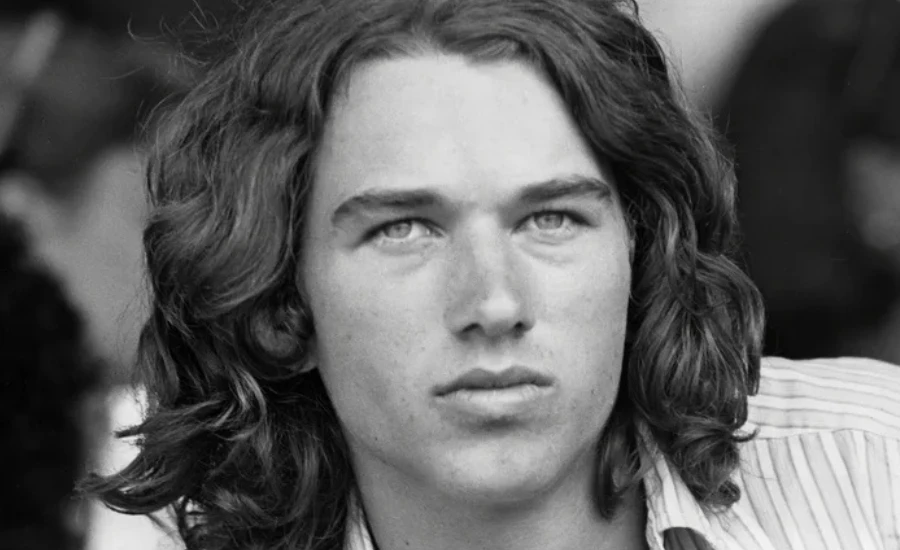
RFK Jr. is now the U.S. Secretary of Health and Human Services — one of the most contested cabinet appointments in recent memory. His cousin Caroline Kennedy publicly called him a “predator” in a letter to U.S. senators in January 2025. His anti-vaccine positions have generated sustained national outrage. His name crashes through the news cycle on a near-weekly basis.
Emily Ruth Black has said nothing.
As of the most recent available information, she has returned to Indiana, reportedly owning a home in her home state, after a period of living in Washington D.C. She retains her New York attorney registration. She maintains no known public social media presence. She has given no interviews about her ex-husband’s political rise, his cabinet role, his controversies, or their shared history.
Some sources suggest she may have found a personal relationship in the years since the divorce. No verified details exist on this, and speculation would be dishonest, so none appears here.
She is 67 years old. She spent decades in a legal system that defends people nobody else wants to defend. She raised two children with steadiness after a marriage that ended under circumstances that would have broken a less grounded person. She chose Indiana over the Kennedy orbit. She chose quiet over cameras.
Some people would call that loss. She probably calls it winning.
Conclusion
The word “legacy” usually gets applied to people who sought one.
Emily Black didn’t seek one. She sought a legal career. She sought a fair shot for clients who couldn’t afford their own defense. She sought, after 1994, a life free from the machinery that had consumed her marriage. She got all three.
Her daughter Kick has grown into a working actress with her own career. Her son Bobby built a path in film and media on his own terms. Both are functioning adults who forged independent lives — which, in a family with the Kennedy history of addiction, tragedy, and public dysfunction, is not a minor achievement. Emily raised them through the hardest years. That’s the quiet center of whatever legacy she carries.
She spent a decade married to a man who pled guilty to heroin possession, was repeatedly unfaithful, and exited the marriage directly into a new relationship. She spent the following three decades not talking about any of it. There’s a kind of power in that silence that no press release can replicate.
History tends to remember the loud ones. But sometimes the person who walks away cleanly, keeps working, refuses to be defined by someone else’s chaos, and lets her children speak for her — that’s the one worth writing about.
You may be interested in Eddie George Wife
FAQ
1. Who is Emily Ruth Black?
Emily Ruth Black is an American criminal defense attorney and the first wife of Robert F. Kennedy Jr. She graduated Phi Beta Kappa from Indiana University and earned her law degree from the University of Virginia, going on to work as a public defender at the Manhattan Legal Aid Society.
2. Where and when was Emily Ruth Black born?
October 15, 1957, in Indiana. Records conflict between Bedford and Bloomington as her birthplace. Her father died when she was two years old; her mother raised her as a schoolteacher.
3. How did Emily Ruth Black meet RFK Jr.?
Both were enrolled at the University of Virginia School of Law. She had already completed her degree when they met; he was still in his third year.
4. When did they get married?
April 3, 1982, in Bloomington, Indiana. The ceremony drew roughly 400 guests, including Ted Kennedy and Ethel Kennedy. Emily was 24; RFK Jr. was 27.
5. What children do they share?
Two. Robert “Bobby” Kennedy III, born September 1984, who works in film and media. And Kathleen “Kick” Kennedy, born April 1988, who pursued acting.
6. Why did they divorce?
The marriage strained under years of RFK Jr.’s drug addiction and repeated infidelity. They separated in 1992 and finalized the divorce in 1994 by traveling to the Dominican Republic to expedite the process.
7. Did Emily know about the heroin arrest?
Yes. RFK Jr. was arrested in September 1983 — 17 months after the wedding — when heroin was found in his luggage at an airport. Emily stood by him through the proceedings, the guilty plea, and the rehabilitation program. Multiple accounts describe her loyalty during that period as extraordinary.
8. What career did Emily Ruth Black build?
Criminal defense law, specifically public defense work. She worked at the Manhattan Legal Aid Society during the marriage and has retained her New York attorney registration ever since.
9. Did RFK Jr. remarry quickly after the divorce?
Yes. He had already proposed to Mary Richardson before the divorce from Emily was legally final, and married her just three weeks after it was. Mary Richardson died by suicide in 2012.
10. Has Emily spoken publicly about RFK Jr.’s political career?
No. Despite his failed 2024 presidential campaign and his 2025 appointment as U.S. Secretary of Health and Human Services — both generating enormous controversy — Emily has maintained complete public silence.
11. Where does Emily Ruth Black live now?
She reportedly returned to Indiana after a period in Washington D.C. and is said to own a home there. No further verified details are available.
12. Does she have social media?
No verified accounts exist under her name. She has chosen complete privacy.
13. Did she keep the Kennedy name after the divorce?
No. She returned to her birth name, Emily Ruth Black, after the 1994 divorce.
14. How is her relationship with her children?
By all available accounts, close. Kick in particular has spoken warmly about her mother publicly. Emily raised both children as the primary stable parent during and after the divorce.
15. Why is Emily Ruth Black in the news now?
Searches spike around her name whenever RFK Jr. makes headlines — which, since 2024, has been frequently. His presidential campaign, cabinet appointment, and family feuds have all renewed public curiosity about the quieter figures in his past. Emily remains one of them.